

How do you know if you have experienced discrimination?
Discrimination is when someone treats you worse or ‘less favourably’ than another person is, has been, or would be treated, in a similar situation, because you fall under the ‘protected grounds’.
You can experience discrimination in four different ways:
Direct Discrimination
Where someone treats you less favourably than another person in a similar situation because of a different personal characteristic or circumstance that falls under the protected grounds.
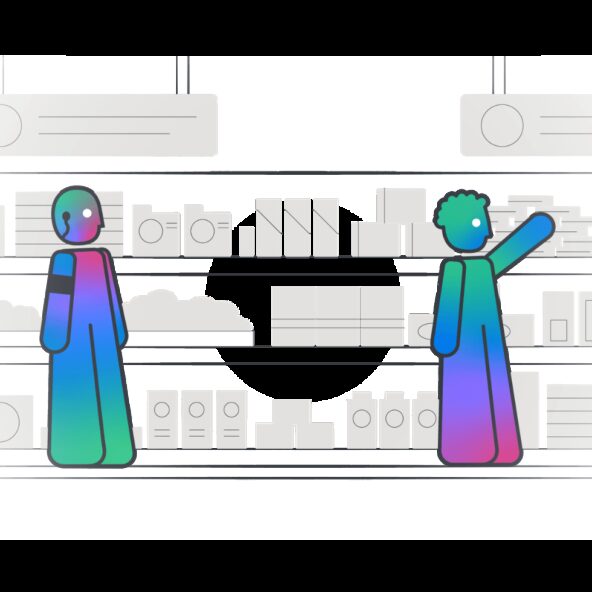
Indirect Discrimination
Where a policy or provision applying to everyone puts you at a disadvantage because of a personal characteristic or circumstance that falls under the protected grounds.
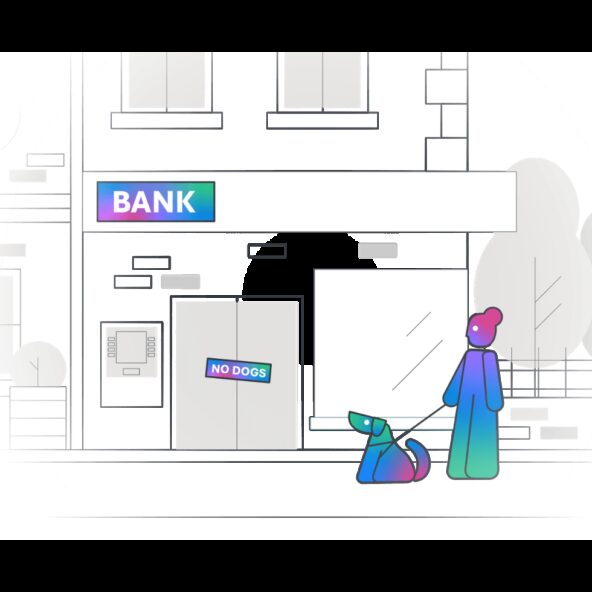
Discrimination by imputation
Where someone treats you less favourably than another person in a similar situation because they have incorrectly assumed (‘imputed’) that you fall under the protected grounds.
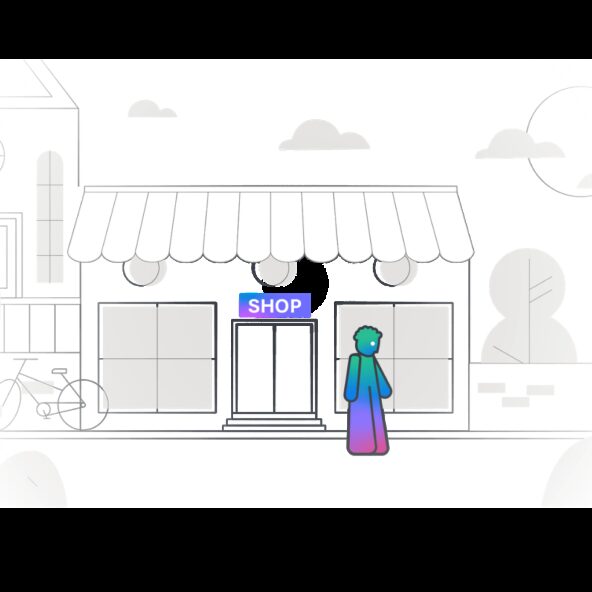
Discrimination by association
Where you are treated less favourably than another person in a similar situation because of your connection or relationship with someone who falls under the protected grounds.