

This Annual Report covers the first year of our Strategy Statement 2025-2027. It highlights key examples of progress under each of the Commission’s five strategic priorities, with an emphasis on our drive towards impact.
The Commission’s strategic priorities are:
- Develop robust responses to current and emerging threats to human rights and equality;
- Enhance accountability mechanisms;
- Strengthen the human rights and equality infrastructure in the State;
- Fulfil our international role as part of a global network of National Human Rights Institutions and National Equality Bodies; and
- Operate as a model organisation for implementing human rights and equality in practice.
We also report on our obligations under:
- Section 42 of the Irish Human Rights and Equality Commission Act 2014; and
- The Official Languages (Amendment) Act 2021.
The appendices set out our corporate and compliance responsibilities.
Message from the Chief Commissioner
Human rights and equality do not exist in isolation from the wider social, political and economic conditions in which we live. They are sustained by institutions, protected by law, and shaped every day by the choices we make together as a society. At a time when democratic values are facing increasing pressure across the world, those choices matter more than ever.
Currently, the international human rights system is going through one of the most challenging periods in its history. The multilateral institutions established in the aftermath of the Second World War are under strain. Armed conflicts, rising authoritarianism, attacks on the rule of law, and growing hostility towards minority communities have tested assumptions that many once believed were secure. Progress on equality is stalling in some places and reversing in others. Rights that were hard won are increasingly being contested, if not reversed.
Ireland is not immune from these developments. While we remain a strong democracy with a robust legal framework for the protection of rights, many of the pressures visible internationally are also evident here. Growing economic inequality, housing insecurity, rising levels of hate and discrimination, and increasing polarisation in public debate all present significant challenges to social cohesion and to people’s ability to participate equally in society.
Yet it would be a mistake to view this moment solely through the lens of risk and uncertainty. It is also a moment that invites reflection on the kind of society we wish to build. Human rights and equality are not simply safeguards against harm. They are the foundations of a fair, inclusive and resilient society. They offer practical tools for addressing complex challenges while ensuring that human dignity remains at the centre of our public policy.
The 2025 Annual Report explores the current state of human rights and equality in Ireland across a range of interconnected issues. They highlight both areas of progress and areas where further action is urgently required. Many of the challenges facing Ireland are not isolated policy problems but questions about how rights are realised in people's everyday lives.
A recurring theme throughout this report is the critical importance of implementation. Ireland has often shown leadership in articulating human rights principles, both domestically and internationally. The task now is to ensure that those commitments are translated into meaningful outcomes. Rights must be accessible in practice and realised in people’s daily lives, not merely recognised in principle. Equality must be experienced in daily life, not simply reflected in legislation.
There are, however, compelling reasons for hope and confidence. Across Ireland, communities, civil society organisations, public institutions, educators, trade unions, employers and activists continue to demonstrate a deep commitment to fairness, inclusion and democratic values. Their work strengthens our society and provides an essential foundation for progress.
The Irish Human Rights and Equality Commission remains committed to supporting that work: promoting accountability, strengthening protections, and ensuring that the voices of those most affected by inequality and exclusion are heard.
The future of human rights and equality in Ireland will not be determined by circumstance alone. It will be shaped by our collective willingness to uphold the principles of dignity, participation, accountability and justice. The choices we make now will help define not only the strength of our institutions, but also the kind of society we leave to future generations.
Liam Herrick
Chief Commissioner
Who we are
The Irish Human Rights and Equality Commission (‘the Commission’) was established on 1 November 2014, as an independent public body under the Irish Human Rights and Equality Commission (IHREC) Act 2014. We are Ireland’s independent National Human Rights Institution (‘NHRI’) and National Equality Body (‘NEB’).
We protect and promote human rights and equality in Ireland.
We are the Independent Monitoring Mechanism for Ireland under the United Nations Convention on the Rights of Persons with Disabilities; the independent National Rapporteur on the Trafficking of Human Beings; and will be assigned the role of the Co-ordinator of the National Preventive Mechanism under the Optional Protocol to the Convention against Torture, pending ratification. We are an Article 77 fundamental rights body under the EU Artificial Intelligence (‘AI’) Act.
Alongside Northern Ireland’s national human rights and equality bodies, we have a mandate to consider and report on equality and rights issues with an island of Ireland dimension.
We also have legal powers under the Gender Pay Gap Information Act 2021 and are the designated body for the promotion and support of gender balance on the boards of listed companies under the EU Gender Balance on Listed Corporate Boards Directive.
Our mission is to build a just and inclusive society that protects and promotes human rights and equality in Ireland.
Statutory mandate
We have a statutory remit to:
- Protect and promote human rights and equality;
- Encourage the development of a culture of respect for human rights, equality, and intercultural understanding in the State;
- Promote understanding and awareness of the importance of human rights and equality in the State;
- Encourage good practice in intercultural relations, promote tolerance and acceptance of diversity in the State and respect for the freedom and dignity of each person; and
- Work towards the elimination of human rights abuses, discrimination and prohibited conduct.
The Commission Members are appointed by the President, following an independent recruitment process and a resolution by both Houses of the Oireachtas.
We operate independently of Government, with our institutional independence guaranteed in our establishing legislation, which provides for accountability of the Commission for our statutory functions to the Oireachtas.
Our Theory of Change
Our theory of change shows what we want to achieve and how we plan to get there.
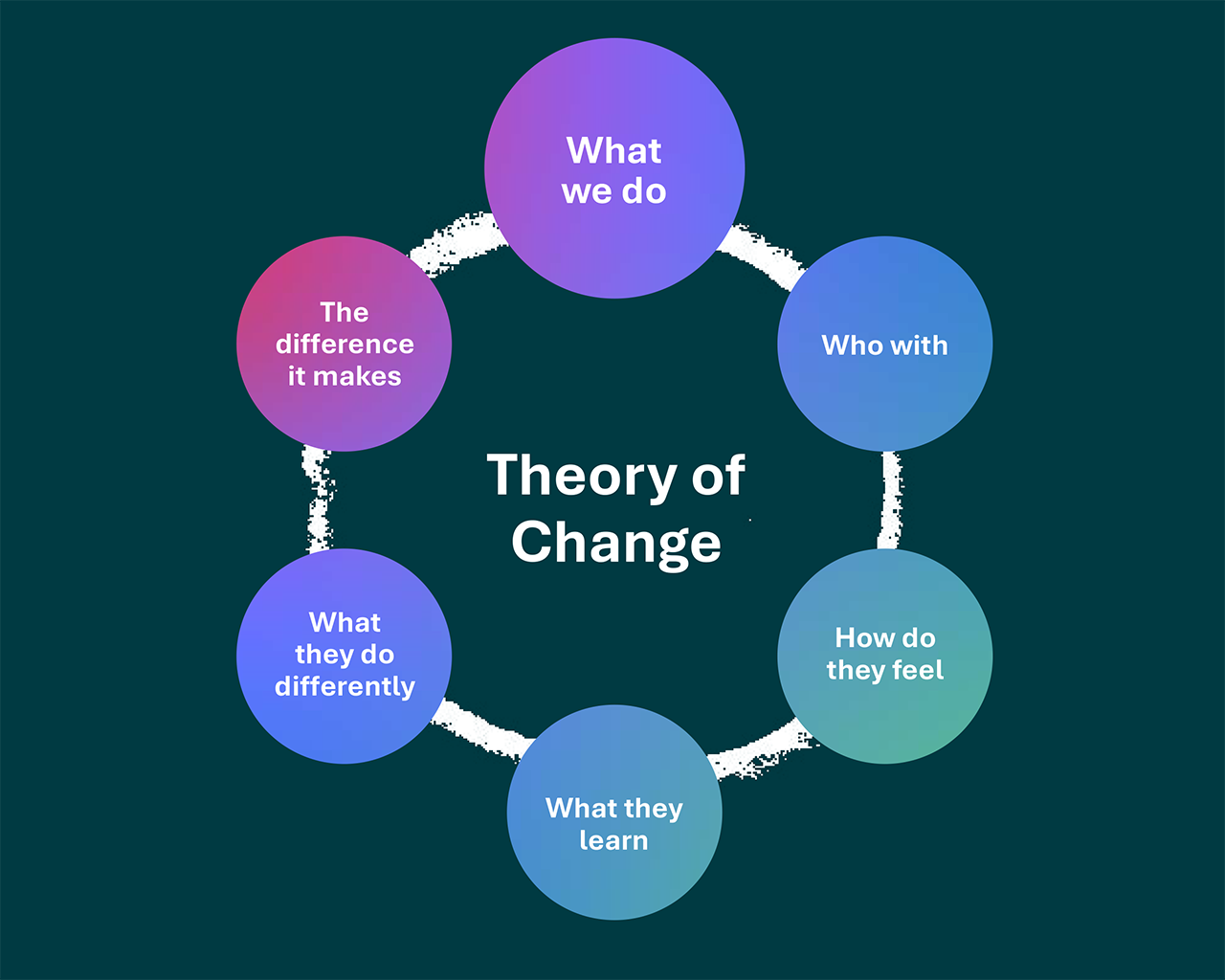
It sets out clearly what we do, who we work with, and the difference we want our collective efforts to make.
Our theory of change is important because it sets out the links between our activities and the achievement of our long-term goals.
This leads to better planning, delivery, review and evaluation. It keeps our
focus on strategy and on the achievement of long-term goals, while enabling agility and responsiveness to a changing context.
We safeguard and advance human rights and equality in Ireland
- rights holders
- duty bearers
- civil society
- the private sector
- trade unions
- international human rights mechanisms
- informed
- accountable
- heard
- supported
- confident
- empowered
- a clear understanding of IHREC
- independent insights into equality and human rights
- opportunities to engage, learn and connect
- practical understandings of how to apply equality and human rights standards
- advocate for and defend human rights and equality
- seek our advice, expertise and guidance to support their work
- everyone to be more aware of human rights and equality and to understand why human rights and equality are relevant and important to them
- duty bearers to have more respect for human rights and equality and to take responsibility and accountability for their decisions and actions.
Vision, Mission, Values
Our Vision
Our vision is of an inclusive Ireland where human rights and equality are respected, protected and fulfilled for everyone, everywhere.
Our Mission
Our mission is to build a just and inclusive society that protects and promotes human rights and equality in Ireland.
Our Values
Our values define how we approach our work, how we work as a Commission and how we engage with people living in this State. We believe that our values are key to our culture, and critical to our performance as an organisation.
Our values include:
We commit to supporting people who face the greatest barriers to justice as part of human rights and equality protection for all.
We are fully committed to the values of openness, transparency and accountability to the people and to the Oireachtas.
We build respect and trust by valuing the contribution and initiative of everyone within our organisation and those we work with. Respecting the trust placed in us, we conduct our work to the highest professional standards
We recognise the personal autonomy and self-determination of all rights holders and duty-bearers. We are committed to hearing and learning from others’ perspectives.










Key findings from our 2025 Annual Poll
Purpose
Our Annual Poll measures public awareness and attitudes towards key human rights and equality issues in Ireland. The poll uses a cross-sectional survey design that collects and analyses data from a population at a single point in time.
The Annual Poll measures:
- public awareness of and support for the Commission in our work;
- support for key human rights issues;
- support for key equality and discrimination issues; and
- attitudes towards our strategic priorities and themes under our mandates.
What the Annual Poll tells us
The poll provides timely primary data to help us understand the level of public awareness of the Commission and its role, public support for human rights and equality, how attitudes differ across particular groups in Ireland and the extent to which people perceive that certain rights are realised and protected.
The themes covered in the 2025 Annual
Poll include human rights; equality and discrimination; disability; racism; economic equality; work and family life; digital regulation and artificial intelligence.

Key findings
The poll was undertaken by Ipsos B&A between July 15th and August 6th with a sample size of 1,243 adults living across Ireland.
In 2025 84% of people in Ireland are worried about the cost-of-living crisis, while fewer than one in seven believe government is doing enough to address it, down sharply from one in five in 2024. Almost half of respondents feared they would not meet household costs in the year ahead.
The poll also shows whether people think economic inequality is fair. Only 13% of people believe Ireland’s wealth is distributed fairly. Almost three-quarters say it is not.
While our survey finds that 80% of people agree that everyone should be treated equally regardless of who they are or where they come from, this belief has diminished from 85% in 2023 and 84% in 2024.
2 in 5
Discrimination
Only two in five respondents thought that the efforts made in Ireland to fight all forms of discrimination are effective, with 28% feeling the efforts are not effective. Perceived ineffectiveness has increased year-on-year, with females, those aged 18-24 and those who have experienced racism/discrimination in the past 12 months being less likely to say efforts have been successful.
66%
Non-white Irish people experienced racism in the past year
14% of respondents said they had experienced racism over the past 12 months, which is an increase compared to 2024 (10%) and 2023 (11%). Among non-Irish, this increases to 35%, and among non-white Irish, 66% reported they had experienced racism over the past 12 months. 31% of respondents had directly witnessed racism in the past year, with younger aged cohorts and Dubliners more likely to have done so. Among non-Irish respondents, this increases to 44%, up seven points on 2024.
37%18-24 year olds witnessed disability-based discrimination
Opinions are polarised as to whether disabled people receive equal opportunities in education. In other areas, the public feel that disabled people are at a disadvantage, and particularly in terms of employment opportunities and Government support. Females are consistently less likely to believe that disabled people receive fair treatment in Irish society compared to males. 16% of those with a self-reported disability said they had directly experienced discrimination in the past 12 months, up six percentage points since last year. 15% of all respondents have witnessed discrimination due to disability in the past 12 months, rising to 37% among those aged 18-24 years old.
How we use the Annual Poll
The attitudinal questions tell us how people think about an issue while awareness questions can show how well issues are understood.
Together, we use these findings to inform our work over time. For example, we use the poll findings in shaping our policy and research work; to better understand emerging issues and set agendas on matters of public importance; to guide communication and awareness-raising activities and target our work for greatest impact.


Our Annual Poll informs us about public opinion on human rights and equality which is increasingly important in an Ireland being pulled in two directions. On one hand, growing inequality and increasing reports of discrimination. On the other, a resilient and deep commitment in our society for values of fairness, solidarity and justice. Economic inequality, racism, and democratic erosion are not forces of nature. They are outcomes of policy, and the consequence of political choice and political rhetoric. And they are outcomes that can be changed by courage, action and solidarity.
1. Developing robust responses to current threats to human rights and equality
We believe the rise of violence, hate, the climate crisis and the persistence of poverty are actively eroding the enjoyment of equality and human rights in the State.
Under this strategic objective, we focus on working with and supporting civil society to play an active and effective role to the promotion and protection of human rights and equality in the context of a vibrant and healthy democracy. Our Civil Society Grants Scheme is a key part of this work. We also pursue this objective through work on policy, research, legal cases and analysis, independent monitoring, communications and engagement with key stakeholders.
-
23
Organisations supported through the 2025-2026 Grants Scheme
-
200
Engagements by staff with Civil Society Organisations
-
45
Civil Society events hosted in our Events Space
-
2
Research publications in partnership with ESRI
-
21
Published correspondences with Government Ministers and Departments on key and emerging issues of concern
-
58
Press releases issued
Empowering people with intellectual disabilities – National Platform for Self-Advocates
"This project has increased our knowledge, confidence, and ability to advocate for our rights."
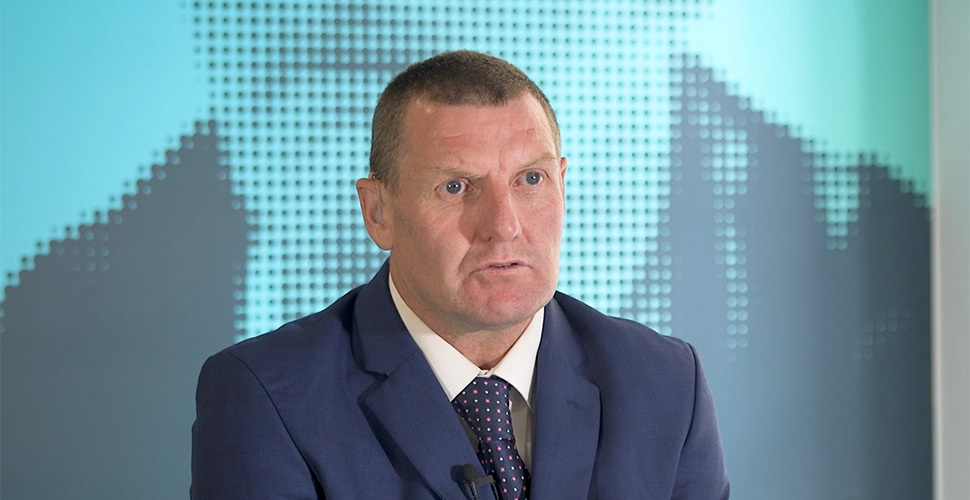
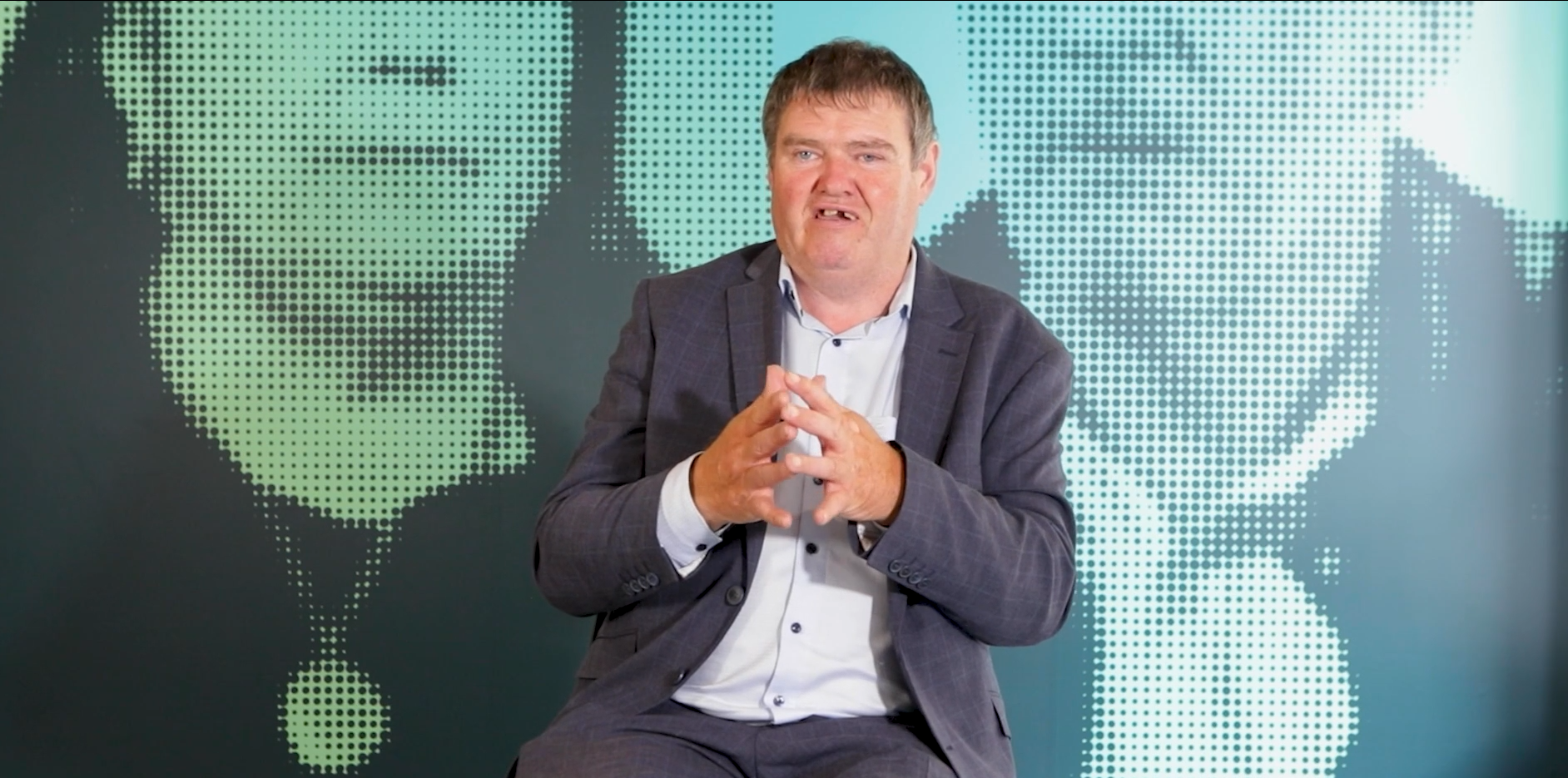
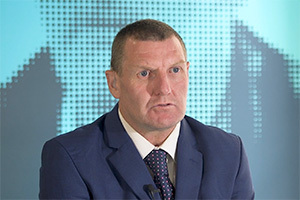
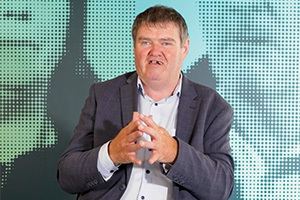
The National Platform of Self Advocates is an independent self-advocacy organisation run by people with intellectual disabilities for people with intellectual disabilities. It is a Disabled Persons Organisation (DPO) set up to make sure that the voices of people with intellectual disability (self-advocates) are heard.
They received funding through our Grants Scheme for their project, “How legislation can change your life – Understanding your rights.”
The project aimed to make the UN Convention on the Rights of Persons with Disabilities (UNCRPD) and Irish equality laws more accessible and relevant to the everyday lives of people with intellectual disabilities. Led and co-produced by self-advocates, the project created 20 professionally filmed videos, an online UNCRPD course for self-advocates, and a more detailed course for policy makers and disability service staff. The resources used plain English, real-life examples, and practical guidance to explain people’s rights and how to respond to discrimination.
The project had a significant impact on participants by increasing their knowledge, confidence, and self-advocacy skills.
Self-advocates developed a stronger understanding of their rights, how Irish laws protect them, and what actions they can take if they experience discrimination. Through their involvement in planning, script writing, filming, and reviewing materials, participants gained confidence in expressing their views and developed practical skills in communication, public speaking and rights education. The project also strengthened peer connections, reduced isolation, and improved the visibility and representation of people with intellectual disabilities by positioning self-advocates as leaders and experts in their own lives.
Overall, the project has empowered people with intellectual disabilities to understand their rights, use their voices, and play an active role in shaping a more equal and inclusive Ireland.
Project organisers, Brian Hayes and Martina Neylon said:
By building skills and confidence, the project has strengthened the National Platform’s role as a Disabled Persons Organisation. Members are now better prepared to take part in public decision-making, influence policy, and hold systems accountable.
Respecting and protecting fundamental rights for international protection applicants
Across Europe, political pressures that are driven by rising social and economic inequality are the backdrop to significant reforms in migration and international protection policy. We are also witnessing a worrying trend in the targeting of migrants and people seeking international protection, sometimes with violent attacks.
In this context, it was very important that the transposition of the EU Migration Pact into Irish law was carried out in a manner which protected the fundamental rights of international protection applicants.
In April, the Minister for Justice, Home Affairs and Migration published the General Scheme on the International Protection Bill. We engaged in extensive pre-legislative scrutiny on the General Scheme, outlining our significant concerns about human rights and equality issues in areas such as access to legal representation and counselling and the treatment of children and vulnerable persons, including victims of trafficking.
Our submission to the Joint Oireachtas Committee on Justice, Home Affairs and Migration stated that we believed the State was in danger of introducing a system prone to legal challenge, administrative dysfunction, and human rights violations.
The Chief Commissioner appeared before the Joint Oireachtas Committee for Justice, Home Affairs and Migration in October, where he flagged the challenges faced by experts, and members of the Oireachtas, with properly scrutinising the legislation.
We subsequently drafted a detailed analysis document for the Committee and we continued to engage with Oireachtas members and with the media until the end of the year, at which point the Bill had not yet been published.
We believe that by bringing our substantial legal and policy expertise to the important debates on this bill, we provided policy makers with key information that enabled them to analyse the legislation as it developed.
Our work will continue on this Bill into 2026, alongside other key stakeholders, as we approach the transposition date of June 2026.

Supporting civil society to engage in CEDAW and on employment equality legislation
Ireland is required to report regularly to the United Nations on how it is implementing international treaties. This year, Ireland was reviewed under the UN Convention on the Elimination of All Forms of Discrimination against Women (CEDAW).
Our own CEDAW submission covered several of the themes named within this strategic priority including hate speech, domestic, sexual and gender-based violence, poverty and social exclusion as well as the impact of climate change.
Reporting to the CEDAW Committee is also a valuable way for civil society to achieve national and international impact. Sharing lived experiences of the infringements experienced by under-represented groups plays an important role in holding the State to account.
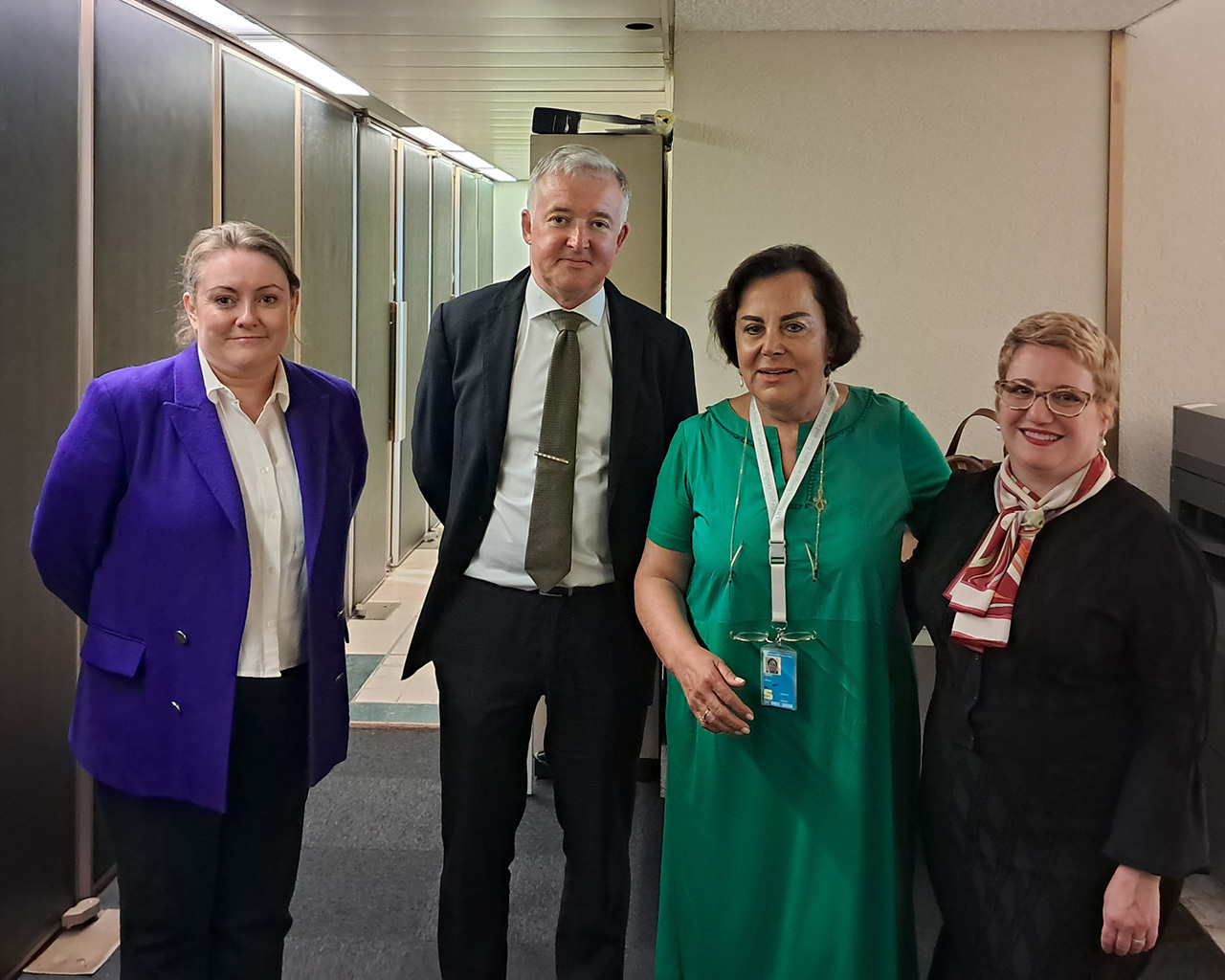
Throughout the year, we took an active role enabling civil society organisations to engage more in the review process. We developed specific guidance for civil society to make a submission. We held a civil society forum, launching the guidance and giving organisations the opportunity to offer recommendations to include in our own parallel report.
During the review in Geneva, we supported the organisations in attendance by sharing materials and briefings and by hosting a civil society specific networking event.
When the review process completed, we developed a series of policy primers for civil society and met with a number of organisations who made submissions to the Committee, to gain insights into what support from us worked well and what we could improve on for future submissions.
Overall, organisations reported that our support was very beneficial, with some stating that they would not have been able to make a submission without it.
Engaging to build strategies for change
In December, members of the Commission met with civil society and community groups at Southill Hub, in Limerick City, to support meaningful stakeholder engagement and build strong collaborative relationships. The discussion focused on the structural nature of poverty, its impact, and strategies for change.
The event programme included a panel discussion featuring expert speakers, followed by breakout group discussions between participants, our Commissioners and our staff.
The aim of the event was to explore with these groups how to build community voice and resilience to challenge the structural nature of poverty and its impact on people’s lives, including the threat of extremism and effects of climate injustice.
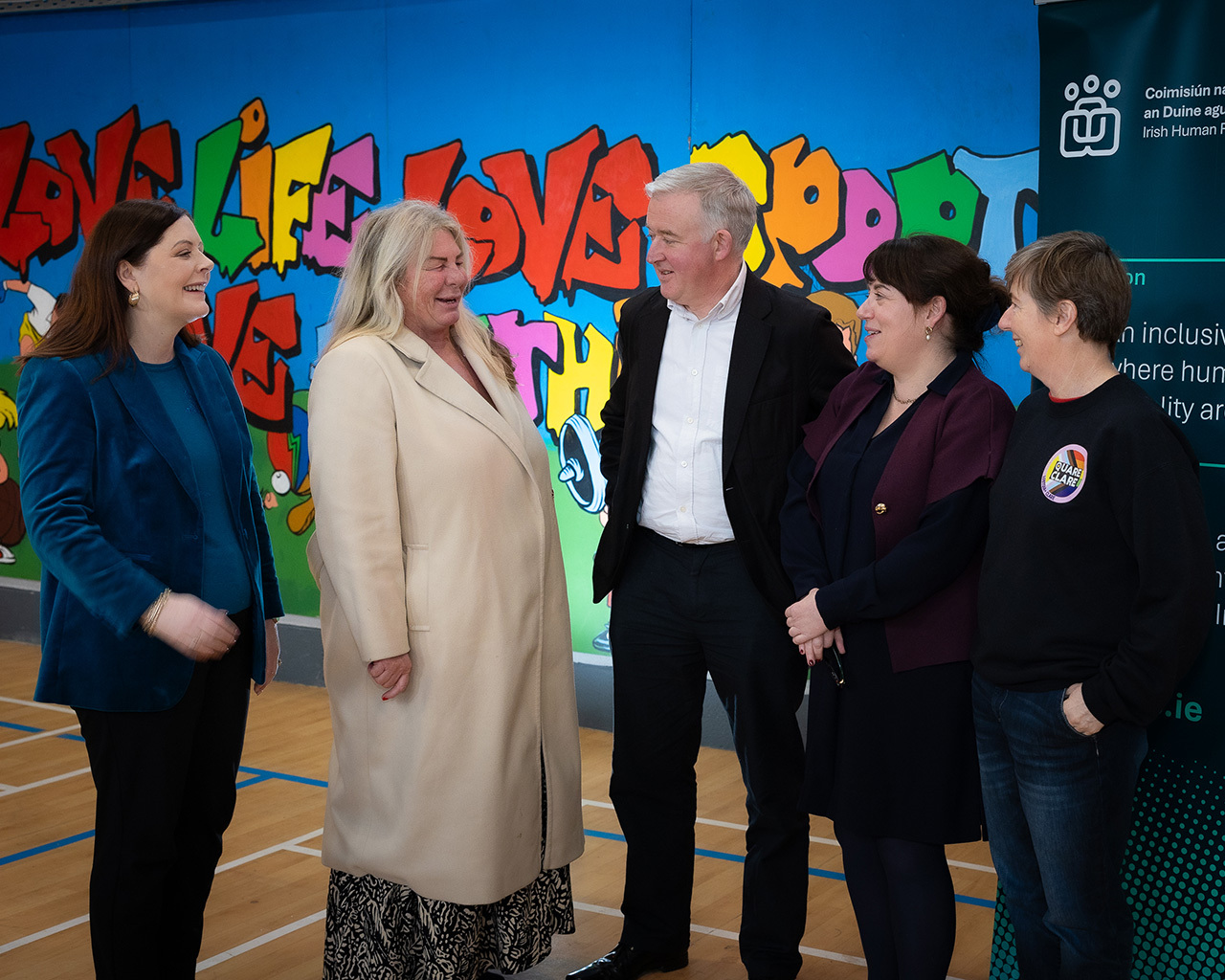
In doing so, our hope was that the experiences and perspectives in Limerick can illuminate issues relating to poverty in Ireland more generally and inform our work in this area at the national level.
This highly interactive format enabled us to engage directly with those working to protect equality and rights in communities on a daily basis.
The outcome of the event also directly informed the theme for our 2026 conference: Together Rising: Challenging Inequality, Countering Hate which will focus on building social cohesion in a context of rising inequality and hate.
2. Enhancing accountability mechanisms
We believe strong accountability mechanisms ensure that the State will be held to account on the human rights and equality matters for which it is responsible.
Under this strategic objective, we focus on working with and supporting civil society to play an active and effective role to the promotion and protection of human rights and equality in the context of a vibrant and healthy democracy. Our Civil Society Grants Scheme is a key part of this work. We also pursue this objective through work on policy, research, legal cases and analysis, independent monitoring, communications and engagement with key stakeholders.

-
544
Individual clients provided with legal assistance
-
283
New applications for legal assistance received
-
9
Equality Reviews started
Holding employers to account: Mary Tracy’s story
“…it is important that employers properly engage with employees about reasonable accommodation."
We provided legal advice and representation to Mary Tracy in her case at the Workplace Relations Commission (WRC) against her former employer Smurfit Kappa Ireland Ltd t/a the Educational Company of Ireland (‘EDCO’). She complained that she had experienced discrimination on the grounds of disability, failure to provide reasonable accommodation, experienced victimisation and ultimately discriminatory dismissal.
Ms. Tracy has Systemic Lupus Erythematosus (SLE), a condition that causes joint pain from repetitive strain. Her role as a sales representative for EDCO required her to lift many books in and out of schools. An occupational health assessment stated that she was fit to work and recommended a manual handling restriction of 3kg for at least six months.
By law, employers are required to make reasonable accommodations for disabled workers.
Ms. Tracy proposed reasonable accommodations like using a trolley or pre-posting books and suggested potential funding for accommodations.
However, EDCO did not trial or investigate the accommodations that Ms. Tracy suggested and instead presented her with an ultimatum to accept a different role within the company or be dismissed. Ms. Tracy argued that the alternative position offered was not a suitable fit for her, and she believed she could continue in her existing role with the appropriate accommodations.
Ultimately, EDCO terminated her employment, claiming they thought she could not fulfil the essential duties of her role.
Following the adjudication hearing, the WRC found that EDCO had violated employment equality laws by failing to provide reasonable accommodations for Ms. Tracy’s disability and that she had been directly discriminated against.
She was awarded €64,000 in compensation.
"As someone living with an invisible disability, having the support of IHREC throughout my case made an enormous difference. From the outset, I felt listened to, believed, and supported. Their expertise, guidance, and commitment ensured that my voice was heard and that my rights were fully represented. Taking a case like this can feel overwhelming, particularly when you are already dealing with the impact of a disability, but IHREC gave me the confidence to continue. I am deeply grateful for the support they provided and for the role they played in helping me achieve a just outcome.”
- Mary Tracy
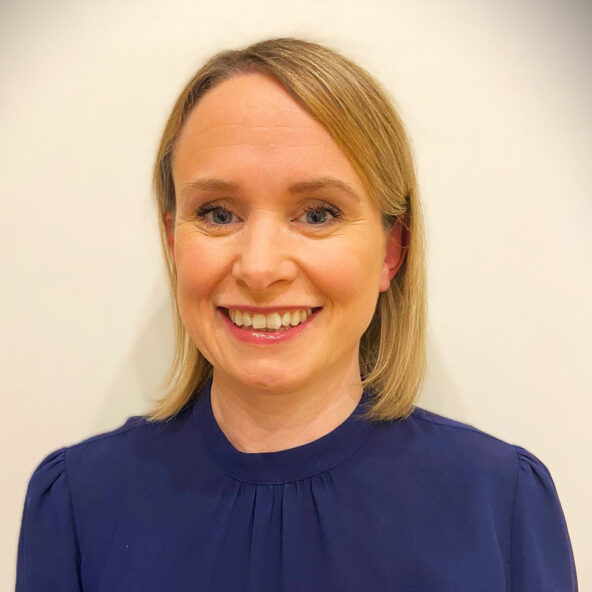

We were very happy to provide legal representation for Ms Tracy in this important equality case and delighted that her new employer has implemented her suggestions regarding appropriate accommodation measures for her disability.
Protecting the Rule of Law
As part of our mandate to promote and protect human rights, we seek to ensure respect for democracy and the rule of law.
We contribute to the European Network of National Human Rights Institutions (ENNHRI) State of the Rule of Law in Europe report on an annual basis. This report is used to monitor respect for human rights, democracy, and the rule of law in Europe.
In our submission to the report, we highlighted that previous recommendations on legislation have not been implemented and raised concerns about upcoming human rights legislation not being properly scrutinised by Parliament. We recommended that the State establish a dedicated Oireachtas Committee to closely examine the human rights implications of legislation and policies.
We also drew attention to issues within the justice system, such as court delays, access to legal aid, and the implementation of European Court judgments.
We recommended that the state commit to a clear, time-bound plan for implementing the European Court of Human Rights' 2014 judgment in the case of O’Keeffe v Ireland, to provide adequate redress for certain abuse survivors.
We also recommended that jurisdiction for discrimination cases against licensed premises is returned to the Workplace Relations Commission, by repealing section 19 of the Intoxicating Liquor Act 2003.
The final ENNHRI report showed that there are increasing threats to fundamental rights and a deterioration of the rule of law across Europe, particularly regarding civic space, threats to media freedom, and access to justice.
The findings also informed the European Commission’s Rule of Law in the European Union Report.
A key element of the rule of law is ensuring that legislation is carefully scrutinised and implemented effectively.
Given concerns that legislation that has important implications for equality and human rights is being delayed or enacted without adequate scrutiny, we will continue to invest in work on this issue into the future.

Identifying the core components of national equality strategies
National equality strategies concerning disabled people, LGBTQIA+ people, migrants Travellers and Roma, and women and girls are essential for delivering an inclusive and equal society for everyone in Ireland
To ensure that equality strategies meaningfully change the lives of these equality groups, we published our policy statement ‘Core Components of National Equality Strategies’. We set out key elements that the State must consider in the design, development, implementation, monitoring, review, and evaluation of national equality strategies.
We use the five core components (evidence, collaborative governance, implementation, intersectionality, accountability) to work with Government Departments, public bodies and the Oireachtas to advise, monitor and report on the effectiveness of equality strategies.
The Department of Children, Disability and Equality used the policy statement in developing the ‘National Strategy for Women and Girls 2025-2030’.
We will continue to support civil society and rights holders to influence equality policymaking.
Challenging discrimination in pubs
“If I go to the district court, it's quite hard to prove that they treated you differently because you're a Traveller.”
Section 19 of the Intoxicating Liquor Act 2003 makes it complicated and difficult to challenge discrimination by pubs. This particularly affects the Traveller community by making it harder for them to go pubs and hotels for music events, weddings, communions and graduations.
Under Section 30 of the IHREC Act, we have specific discretionary powers to review the working and effect of any legislation relating to the protection and promotion of human rights and equality. We used this power to publish a new review of Section 19 of the Intoxicating Liquor Act 2003, calling for it to be urgently repealed and replaced.
Our review finds that Section 19 makes it harder for people to challenge discrimination in pubs, bars and other licensed venues. Under Section 19, if someone is discriminated against in a pub, they have to go to the District Court to prove it, whereas all other discrimination cases are taken to the Workplace Relations Commission. This causes confusion about where people can take their cases, makes the process complicated and costly, and discourages people from making valid complaints. Many complaints never go ahead because of the barriers involved.
It also finds that Section 19 fails to meet EU equality law requirements around the burden of proof as it fails to transpose the Race Directive. If someone is discriminated against in a shop, it is up to the shop to prove that discrimination didn’t happen. If someone is discriminated against in a pub, the burden of proof is less clear, leading to uncertainty and inconsistency in how Irish courts handle these cases.
Our review outlines a number of recommendations to repeal Section 19, and place strong safeguards so that everyone has fair and equal access to justice.
We have supported many people bringing Section 19 cases and will continue to work with Government, the Oireachtas and other partners to make sure these reforms happen without delay.
Promoting inclusive employment for Travellers and Roma
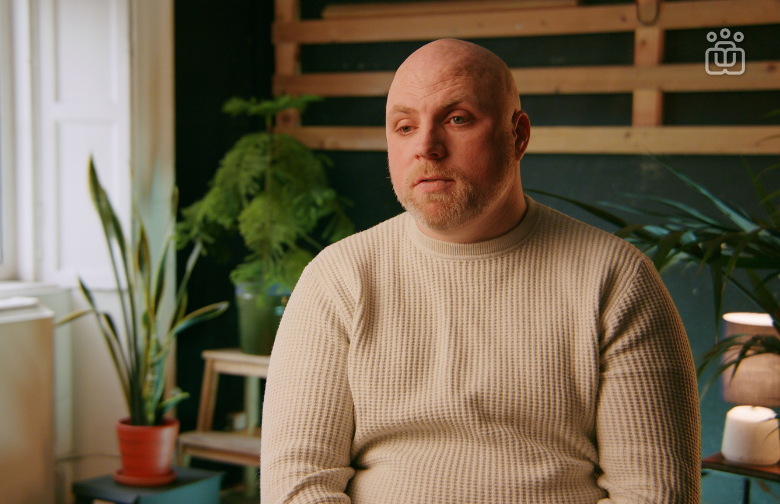
Travellers and Roma experience systemic barriers to employment, and these communities are under-represented in workplaces across Ireland. To empower employers to be leaders in supporting Travellers and Roma to access, participate, and progress in decent work on an equal basis with others we developed an employer guide, ‘Traveller and Roma Inclusive Employment’ through our Worker and Employer Advisory Committee.
This is the first employer guide developed in partnership with Traveller and Roma researchers and organisations that gives voice, visibility, and a road map to achieve more inclusive employment. It includes testimonials by Traveller and Roma employees and offers case-studies from public and semi-state employers including the Department of Justice, Home Affairs and Migration and the ESB.
“Being part of developing this guide ensured Traveller voices shaped practical solutions. It supports employers to move from intention to action, particularly through recruitment and retention practices, creating real opportunities for inclusion, respect, and progression for Travellers in the workplace.”
The Guide has since been promoted widely by Ibec, publicjobs.ie, the Department of Justice, Home Affairs and Migration, and the Department of Children, Disability and Equality, and ICTU.
The Guide has been used by Traveller and Roma organisations, including the Irish Traveller Movement (ITM) and by Pavee Point Traveller and Roma Centre in their employment and anti-racism training work.
There has been increased interest and take-up by employers for such training and support.
We are planning further promotion of the guide in 2026.
There has long been a need for a guide like this to be developed and published so that Travellers and Roma can find empowerment in their professional lives and in the workplace. With this guide it would be our hope that we can immediately see better outcomes for Traveller and Roma in employment.”

3. Strengthening the human rights and equality infrastructure in the State
We believe that we are responsible for monitoring and guarding the health of our national human rights and equality infrastructure which includes our domestic, European and international obligations, the education system and civil society.
Under this strategic objective, we focus on the leadership that is required to develop and maintain robust human rights and equality infrastructure in the State. This includes providing thought leadership through our annual conference.
We support public bodies to implement the Public Sector Human Rights and Equality Duty. We monitor the state’s compliance with international human rights and equality treaties; implement our role as National Rapporteur on the Trafficking in Human Beings; and protect and promote human rights with an all-island dimension in partnership with the Northern Ireland Human Rights Commission and Equality Commission for Northern Ireland. We provide support to the Oireachtas, public bodies and local authorities on a range of human rights and equality issues and we invest in the future through our work on human rights education.
-
700
Public servants trained on the PSD
-
3
Submissions to international treaty bodies
-
6
Appearances before Oireachtas Committees
-
122
Organisations represented at our first annual conference
-
1
Section 42.5 Public Sector Duty review commenced – our first time using this power
-
247
Mentions of the Commission in print and broadcast media
Protecting the Right to Vote: Department of Housing, Local Government and Heritage
"We believe that our work in making information about voting more accessible, and in promoting awareness of supports for voters, supported participation by citizens in the recent presidential election.”
Ensuring a supportive legislative and policy framework to achieve accessible, inclusive elections is one way that the Department of Housing, Local Government and Heritage (DHLGH) demonstrates how Equality and Human Rights principles are embedded into their work. It serves as a practical example of the Duty in action, showing a dedication to implementing commitments undertaken under its 2024–2026 Public Sector Duty Assessment and Action Plan.
The Franchise Section of the DHLGH is responsible for the policy, legislation, and administrative oversight of Ireland's electoral system.
They engaged in our Public Sector Duty government department sectoral support programme. Through this programme, we supported them to put the Public Sector Duty into practice.
By conducting their Public Sector Duty assessment, they found that there were elements of Ireland’s voting system that could be made more accessible. Within its Public Sector Duty action plan, the DHLGH put together a series of actions to make voting more accessible.
In advance of the 2025 Presidential election, they created clear and accessible information about voting.
They produced advertisements detailing supports for disabled voters, including how to transfer to a more accessible polling station, if desired.
They reviewed and updated the design of Polling Information Cards to include larger, more accessible text. Local authorities included Eircodes on the addresses of polling stations on Polling Information Cards to make it easier for disabled voters to find them on mobile maps.
Accessibility audits for the registration portals Voter.ie and checktheregister.ie were undertaken by the local government sector in 2025. Work on the establishment of a new central electoral registration system was underway, with all local authorities due to be using the system by the end of 2026.
They also have an information leaflet in a range of different languages specifically for voters with disabilities. The Department has introduced mandatory Equality and Human Rights training for staff, alongside a range of other actions.
These actions show a strong commitment by the DHLGH to engage with and understand the issues faced by marginalised members of society in exercising their right to vote, to put in place practical plans to address those issues directly and crucially to put those plans into motion.
This is the Public Sector Duty in action.

Convening Human Rights Leaders
“I left the event feeling energised by the passion of the people I met throughout the day and inspired by the amazing work and initiatives showcased.”
We held our first annual conference on Leadership on Human Rights and Equality in September. The aim of the conference was to convene senior decision makers, rights holders and influencers in public, civil society and private sectors on the island of Ireland to inform and identify actions to protect, promote and advance human rights and equality.
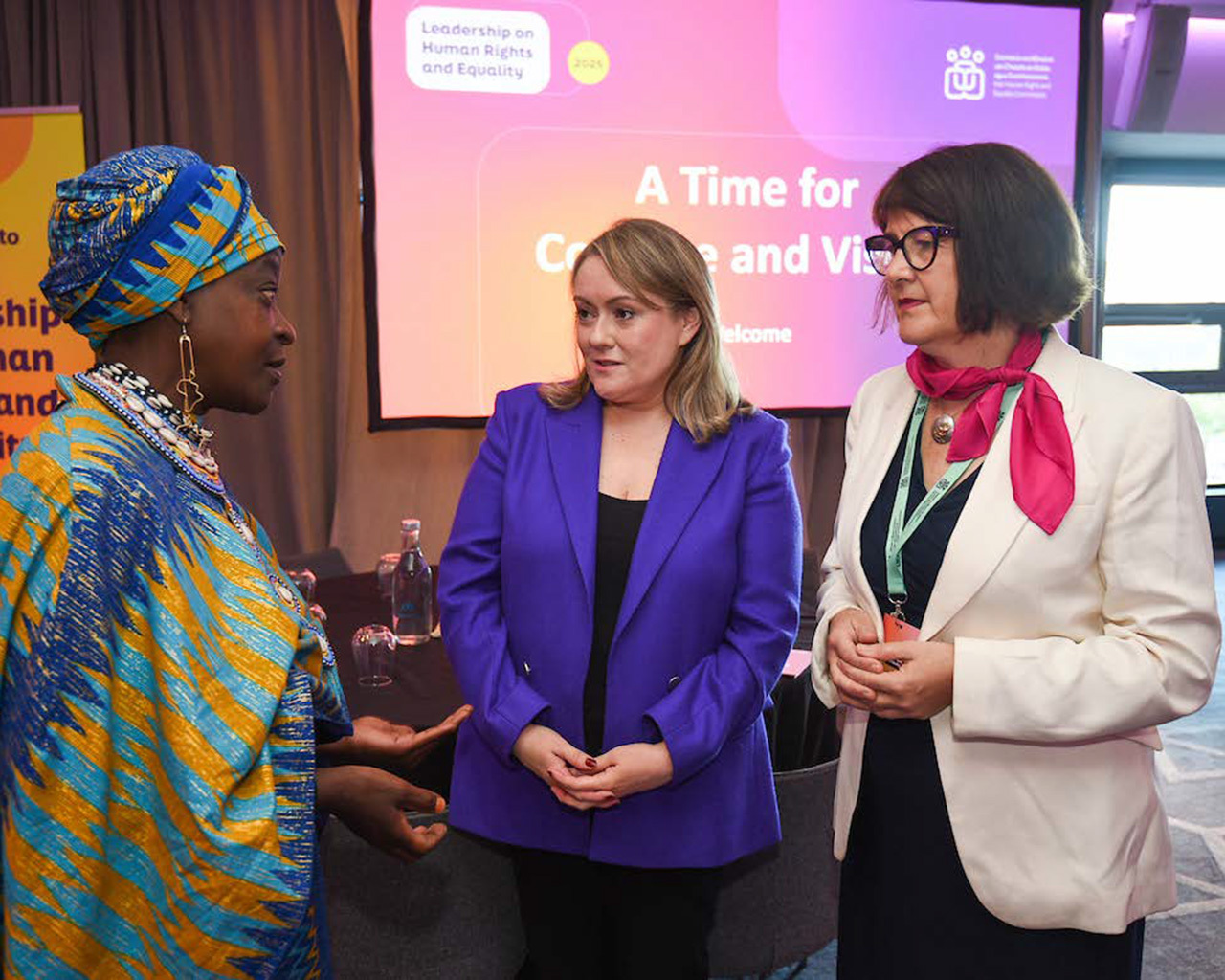

The aim of the conference was to convene senior decision makers, rights holders and influencers in public, civil society and private sectors on the island of Ireland to inform and identify actions to protect, promote and advance human rights and equality.
The conference was chaired by Shada Islam of New Horizons Project, with Sirpa Rautio, Director of the Fundamental Rights Agency providing the keynote. We conveyed the findings from our first annual Key Developments in Human Rights and Equality report.
We had a panel discussion on ‘Ireland as a leader for human rights and equality.’ The panelists were Eamon Gilmore, Former Tánaiste, and EU Special Representative on Human Rights; Professor Siobhán Mullally, UN Special Rapporteur on Trafficking in Persons; Nyanchama Okemwa, Chair of the European Network Against Racism; and Debbie Kohner, Secretary General of the European Network of National Human Rights Institutions.
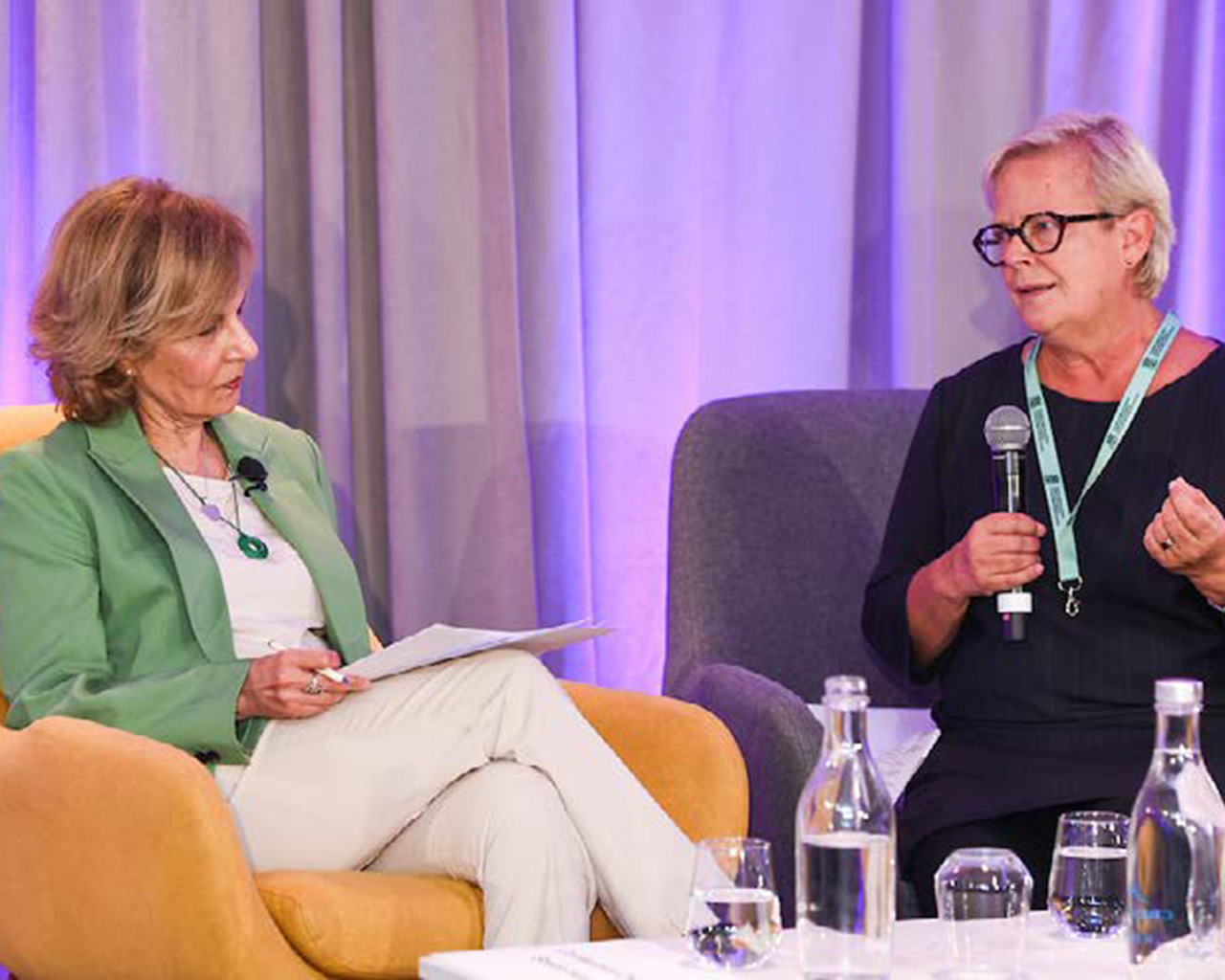
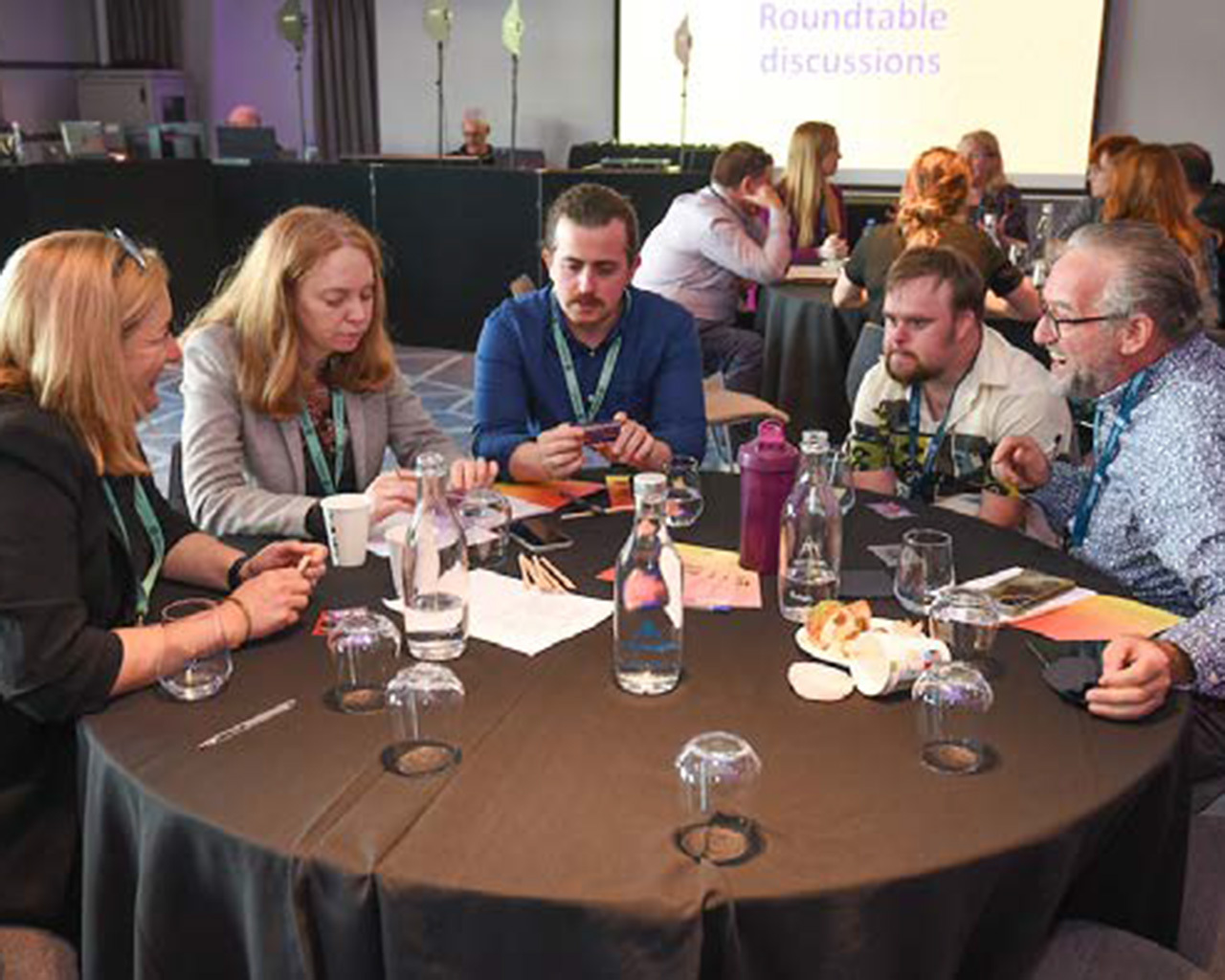
We ran parallel workshops centered on rule of law, human rights and equality budgeting, equality and human rights data, Ireland as a leader on human rights and equality in Europe, artificial intelligence and tackling misinformation, disinformation, and hate. The conference closed with a discussion on the need for courageous and visionary leadership for equality and human rights.
The conference was attended by representatives from 122 organisations across a wide range of sectors and feedback was overwhelmingly positive. Attendees praised the wide range of topics and speakers within the programme, the networking opportunities provided by the mix of attendees, and the Commission staff they interacted with. Over 80% of attendees reported that the conference was informative and enabled a high level of engagement with our work.
Our 2026 conference: ‘Together Rising: Challenging Inequality, Countering Hate’ will focus on building social cohesion in a context of increasing inequality and hate and will incorporate feedback from attendees to create an even better experience for all
in attendance.
Monitoring compliance with UNCRPD
As the Independent Monitoring Mechanism for Ireland, it is vital that people who have real experience with disability inform our work and that disabled people and their representative organisations participate in an active and meaningful way in the monitoring process.
Ireland is expected to be reviewed by the UN Committee on the Rights of Persons with Disabilities in 2027. Prior to this review, the Committee will prepare a list of priority issues for the State review.
To help the Committee to identify the correct issues to raise with the State, we submitted our first report as the Independent Monitoring Mechanism for Ireland under the UNCRPD to the Committee in advance of their pre-sessional meeting to consider the list of issues.
Our submission highlighted the many systemic and persistent barriers that disabled people experience in Ireland.
Our submission was significantly informed by the input of disabled people, Disabled Persons Organisations (DPOs), our Disability Advisory Committee, and civil society organisations.
Before we began drafting, we developed guidance and co-hosted an information webinar for civil society organisations to empower them to engage with the process.
We held two consultation sessions on the topic of independent living. One for a broad audience of individuals and groups and a specific session for Disabled Persons Organisations. We engaged heavily with individual DPOs throughout the drafting process and drew on materials they provided to give the Committee a real-world view of living with a disability in Ireland.
We engaged directly with the UN Committee before and during their meeting and sat as an observer in their session with Irish DPOs in Geneva.
The impact of civil society engagement on the List of Issues is evident, as the issues identified and prioritised by the Committee aligned significantly with those that we had recommended.
We will continue to work closely with civil society as we look towards the States’ review by the UNCRPD Committee in 2027.
Building understanding of the Public Sector Duty
“This was one of the best written and presented seminars I’ve been on in a long time. I understood the basic requirements of Public Sector Duty, but this seminar made everything clearer.”
Implementing the Public Sector Equality and Human Rights Duty means that public bodies address human rights and equality issues in a proactive way, rather than waiting until an issue or complaint arises, before addressing it.
To support public bodies to build their understanding and help them to implement the Duty, we ran a series of thematic webinars. The six webinars on topics such as “An Introduction to the Public Sector Equality and Human Rights Duty”, “Compliance with the Public Sector Equality and Human Rights Duty in Education” and “Ongoing compliance with the Duty in your organisation” gave a practical overview of the Duty for a wide audience across the public sector.
They highlighted some simple steps public bodies can take to better comply with the duty, as well as helping them to recognise when they are already taking positive actions that fall within the scope of the Duty.
Almost 700 public servants from across 100 different public bodies attended the webinars. Participant evaluations were overwhelmingly positive, particularly around the use of lived experience examples of the issues faced by marginalised communities when public policy fails to adequately understand and consider their needs.
Increased engagement with public bodies through our monitoring portal and innovative training strategies has led to a steady increase in compliance with the Duty.
For the first time since we started monitoring compliance in 2023, close to half of all public bodies (48%) have met their obligations under Section 42 (2) in part or in full, while 94 (33%) are fully compliant with their obligations.
We will continue to offer our Guidance, Public Sector Duty webinars and provide recordings of each webinar to public bodies for
use within their organisations.
Based on feedback received we have committed to continue to bring a strong focus on the lived experience across all our training and guidance output.

4. Fulfilling our international role as part of a global network of NHRIs & NEBs
We believe that as a National Human Rights Institution (NHRI) and National Equality Body (NEB) we are strengthened by our membership of global human rights and equality networks.
Under this strategic objective, we ensure that we are seen as an important and valued contributor to learning and an active collaborator with NHRIs and NEBs across Europe on key issues. We concentrate on being active members of EQUINET, ENNHRI and GANHRI in particular. We focus on work that supports NHRIs and NEBs who are at risk when democracy, peace and the rule of law are under threat.
-
100
Meetings or events with other NHRI’s/NEBs
-
10
Training sessions with other bodies
-
16
Training sessions with other bodies
Showing solidarity at a time of genocide: Dr Ammar al Dwaik
“At a moment when many remained silent, you spoke with moral clarity about the gravity of what is unfolding in Gaza…”
In August, at the height of the war on Gaza, the Director General of the Palestine Independent Commission for Human Rights wrote to our Chief Commissioner, Liam Herrick, to recognise our solidarity and to encourage us to continue our work supporting NHRIs and NEBs who are at risk when democracy, peace and the rule of law are under threat.
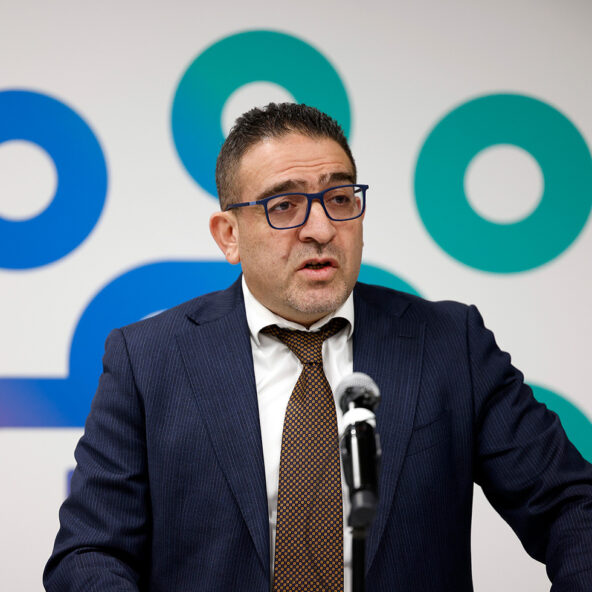
“I write to you on behalf of Palestine Independent Commission for Human Rights, with deep appreciation for your continued leadership and solidarity.
Your Irish Times opinion of 14 May 2025 was a courageous and timely intervention. At a moment when many remained silent, you spoke with moral clarity about the gravity of what is unfolding in Gaza, and the responsibility of Ireland to act.
… There is now a growing legal consensus among human rights organizations—including prominent Israeli groups—that the events unfolding in Gaza meet the criteria for genocide under international law…
Ireland’s voice carries weight far beyond its size. It has earned global respect for standing on principle, even when others hesitate. At this moment of immense suffering, we urge you to continue pressing for actions that match the scale of the injustice unfolding before us.
We stand ready to support your work in any way we can—with legal analysis, documentation, or policy advice. And above all, we thank you for continuing to speak out—not just for Palestine, but for the values of dignity, accountability, and humanity.
With deep respect and solidarity, Dr. Ammar Dwaik, Director General, ICHR.”
Having forged a connection between the leaders of both institutions, Ammar subsequently travelled to Ireland at our invitation, along with Commissioner Diana Buttu from the Palestine ICHR (see below).
Amplifying voices: visit of Ammar al Dwaik and Diana Buttu
“It's taken a genocide for people around the world to realize that Palestinians have been oppressed since 1948.”
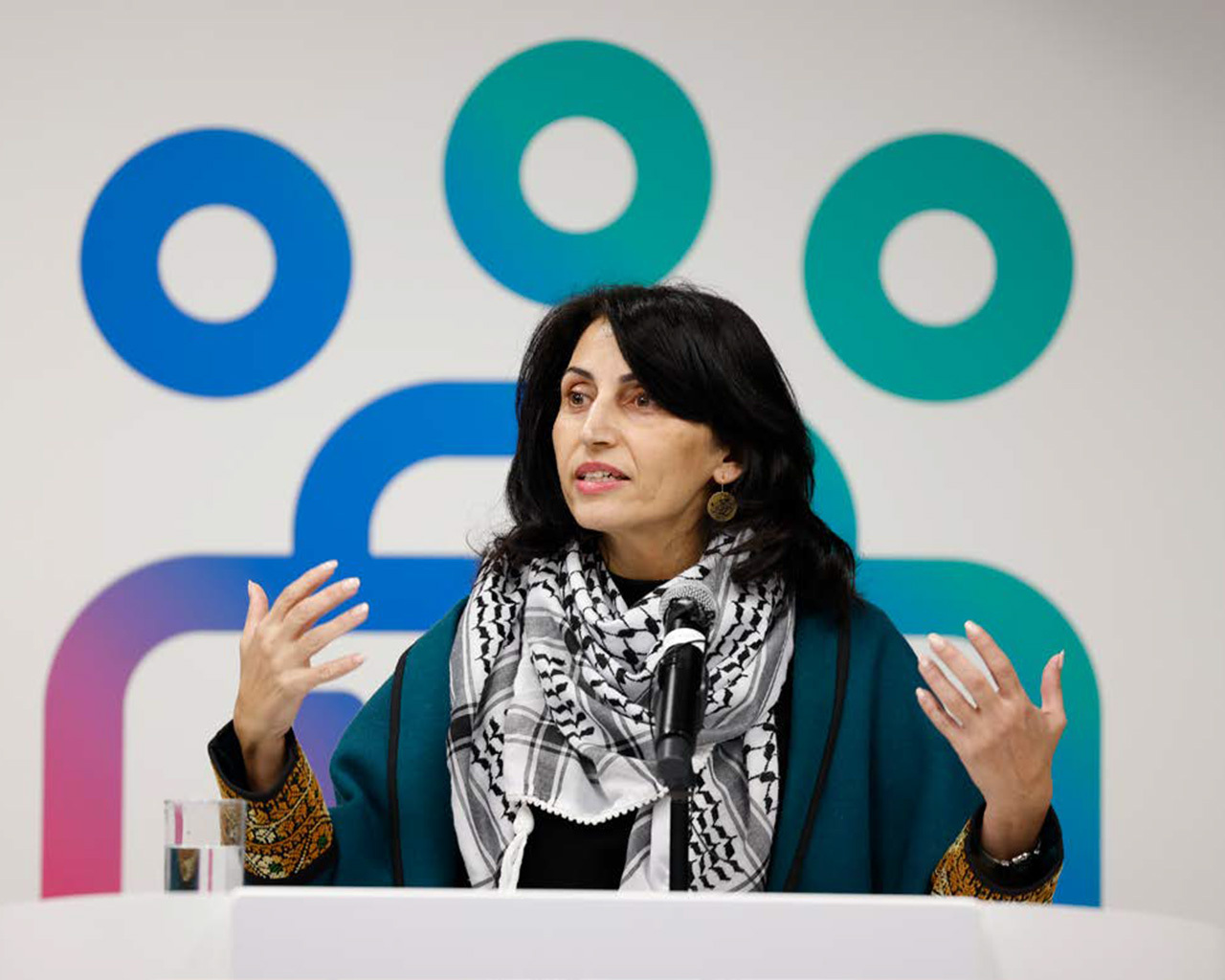
In December, we were privileged to host Ammar al Dwaik, Director of the Palestinian and ICHR Commission member Diana Buttu on a 3-day visit.
The purpose of the visit was to support the ICHR by amplifying their voice and increasing their influence internationally; to facilitate engagement between the ICHR and the Irish government; and to keep a focus on how systemic violations of international law are impacting on Palestinians and what the international community needs to do in response.
During the course of their visit, Ammar and Diana met with members of the Dáil and Seanad, including the Joint Oireachtas Committee on Foreign Affairs and the Friends of Palestine Parliamentary Group. They met with MEPs and senior officials in the Department of Foreign Affairs. They met with Commission members, civil society organisations and experts in international human rights law as well as a senior advisor to the UN Special Rapporteur on Human Rights Defenders.
Throughout the visit, Ammar and Diana underscored the absolute obligation on third party states, including Ireland, to take action to prevent and respond to genocide and to take actions to end the
unlawful occupation of Palestinian territory by Israel.
“If the international rules-based order is going to mean anything, it means that Israel must be held to account”.
Diana Buttu
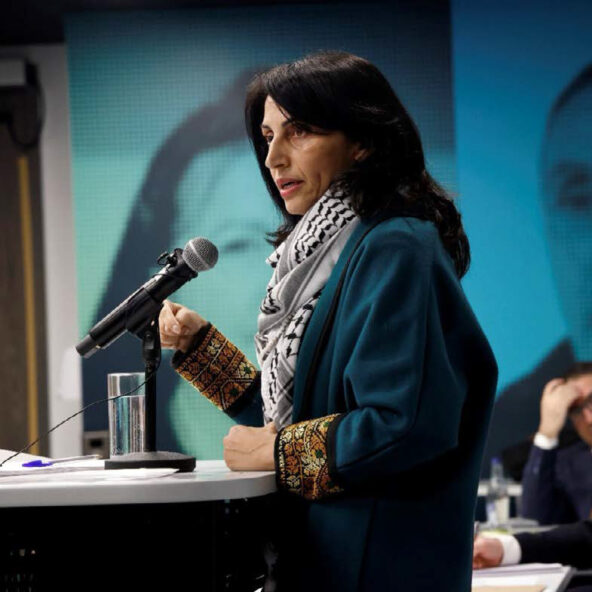
While both welcomed the Occupied Territories Bill as an initiative, they were clear that enactment of the Bill was a minimal step that was long overdue.
“Recognition of genocide must trigger a shift from condemnation to prevention. Prevention is not passive. It requires immediate political, legal and diplomatic steps aimed at disrupting the structures enabling mass atrocity”.

Ammar and Diana’s visit to Ireland had a lasting and powerful impact. It has informed policy and strategic thinking in the Commission and amongst those whom they met. It has created a strong bond and a human connection between our two institutions in Ireland and in Palestine.
Improving Standards for Equality bodies
The EU Directives on Standards for Equality Bodies are the first legally binding international instruments providing detailed standards for equality bodies.
The aim of the Directives is to improve the effectiveness of equality bodies across the European Union and guarantee their independence.
This is important as, if proportionately resourced, it should increase our ability to assist victims of discrimination, monitor and report on discrimination, promote equal treatment and contribute to raising awareness of people’s rights.
The Directives must be transposed into Irish law by 19 June 2026.
Over the course of the year, we carried out intensive work to prepare for the transposition and implementation of the Standards Directives.
We carried out a legal analysis of the Directives to identify the implications for us as an equality body, and for Irish legislation. A resource analysis was carried out to support planning for implementation.
We regularly engaged with senior officials in the Department of Children, Disability and Equality, and held meetings and briefings with the Oireachtas Committee on Children and Equality and representatives of each political party. In June and November, we hosted events on the Standards Directives for civil society with international expert speakers.
We have also contributed strongly to the implementation of the Standards Directives across the EU. Given our expertise in equality data, we were asked by the EU Subgroup on Equality Data to be lead drafter on a new European Commission Guidance Note on the data provisions in the Standards Directives (2026).
We also contributed to the monitoring framework for the Standards Directives, by participating in a pilot project on indicators conducted by the European Commission during the year.
The Head of Policy and Research joined the advisory group for a research project commissioned by the Equality Commission for Northern Ireland on the Standards Directives. The aim of the project is to identify how legislation and policy in Northern Ireland would need to be reformed to meet the requirements of the Standards Directives.
We have made a substantive policy contribution at national and EU level to the understanding of the Directives and their requirements and are well advanced in our planning for the Directives to be implemented from June 2026.
5. Operating as a model organisation for implementing human rights and equality in practice
We believe that to deliver our mandate effectively, we must reflect and develop internally to meet the high standards expected of us.
Under this strategic objective, we focus on the governance of our organisation and on the structures, policies and practices that underpin highly effective performance. We focus on ensuring that the members of the Commission are supported to perform their leadership roles. We focus on excellence in terms of people and culture and in how we live our values. We make sure that our outreach and communications work supports meaningful stakeholder engagement and strategic impact.
-
88
Staff
-
6
New Commission Members appointed
-
10
New Disability Advisory Committee members appointed
-
249800
Website visitors
-
530
Documents made accessible and uploaded to the new website
Mentoring to success: Katie Murphy
“I get to speak to public bodies and civil society about my experiences as a person with a disability."
The AHEAD Willing Able Mentoring (WAM) programme offers graduates with disabilities the chance to undertake a minimum 6 month, paid, mentored work placement. We have been proud participants in the WAM programme for a number of years.
Katie Murphy is the most recent graduate to join our team through WAM.
She joined our Public Sector Duty team and helps to provide training for public bodies on how to implement the Duty.
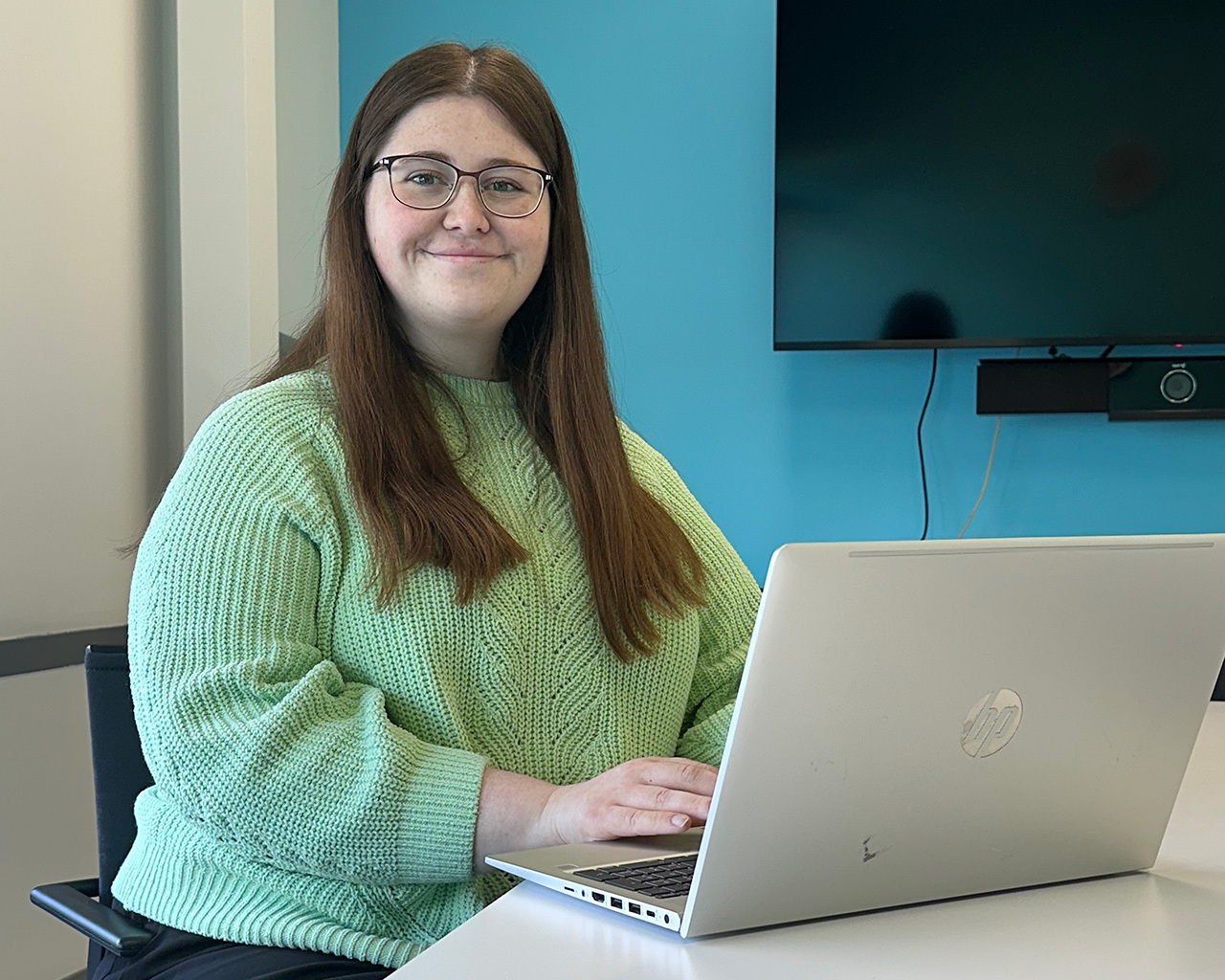
“I decided to take part in the WAM programme as a new graduate as I was struggling to find employment following completion of my master’s programme in Global Legal Studies.
I was worried about disclosing my disability to potential employers and as an extension of this, I was concerned about asking for and getting reasonable accommodations.
The WAM programme has taken this stress away from me and made it easier for me to find a career that has meaning and purpose.
As part of my work in the Public Sector Duty Team, I get to speak to public bodies and civil society about my experiences as a person
with a disability.
I see my role here as an example of the Public Sector Duty in action.”
— Katie Murphy

Katie sharing her lived experience during our training webinars has had huge impact with participants. Feedback has consistently highlighted the value of hearing her speak.
Katie successfully completed her WAM placement and is now a valued permanent member of our staff team.
Increasing digital accessibility: new website
Building on our previous work to make our branding, publications and event space more accessible, we redeveloped our website, aiming to make it more accessible for all.
As a public body, we are required to make sure that our website complies with the Web Accessibility Directive. This legislation sets out the basic technical standards that a website must meet to be accessible for disabled users. Our aim was to be more than technically compliant; we also wanted to make sure that the site was user-friendly and engaging.
We consulted with our stakeholders before we started developing the new site to figure out what was working and what wasn’t with the existing site. Using these insights, we created a new site map and started to build. We continued to engage with users and stakeholders during the build, doing two rounds of user testing on the proposed layout and content.
One round of testing was exclusively with disabled users to ensure that our content was user friendly and not just technically compliant. Our team underwent extensive training in writing content in plain English, PDF accessibility and writing content for the web to ensure that content would continue to be fully accessible to multiple users.
In July, we launched the new site in 7 languages – English, Irish, French, Spanish, Portuguese, Russian and Ukrainian. The new site contains extended information on rights under equality laws, new topic focused pages, and expanded information about our work and mandates.
When the National Disability Authority released their annual monitoring report, we had significantly increased our accessibility score as a result of the changes we made.
The website subsequently won an Institute of Designers Ireland Award in the New Website Launch category for its excellence in usability, functionality, and inclusion.
Our team continues to upskill and attend trainings on tools and technologies that will help us to improve our knowledge about accessibility standards, and we will continue to work to make the website even more accessible.
Marching for Pride: LGBTIA+ Rights Belong to All of Us
Ireland’s ambition for equality demands courageous leadership at a time when those seeking to reverse our progress are gaining ground. LGBTQIA+ people still face many forms of discrimination in their daily lives and face significantly more violence and hate crimes than the general population.
Throughout June, we showed our solidarity with the LGBTQIA+ community through several internal and external Pride initiatives.
We hosted a series of webinars to celebrate Pride Month.
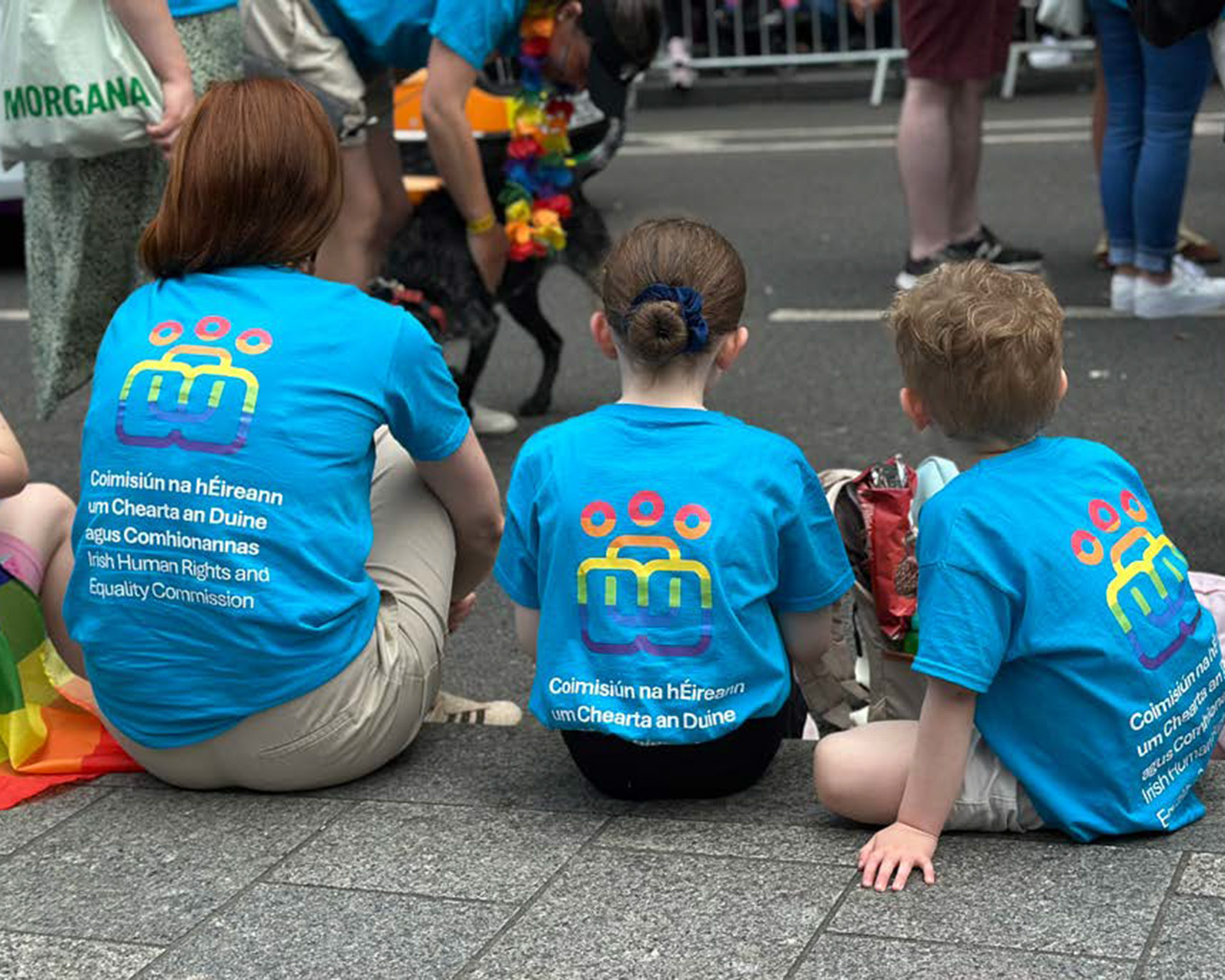
We took part in the Pride Parade for the first time, facilitating and encouraging our staff and their family members to publicly show our support for our LGBTQIA+ community.
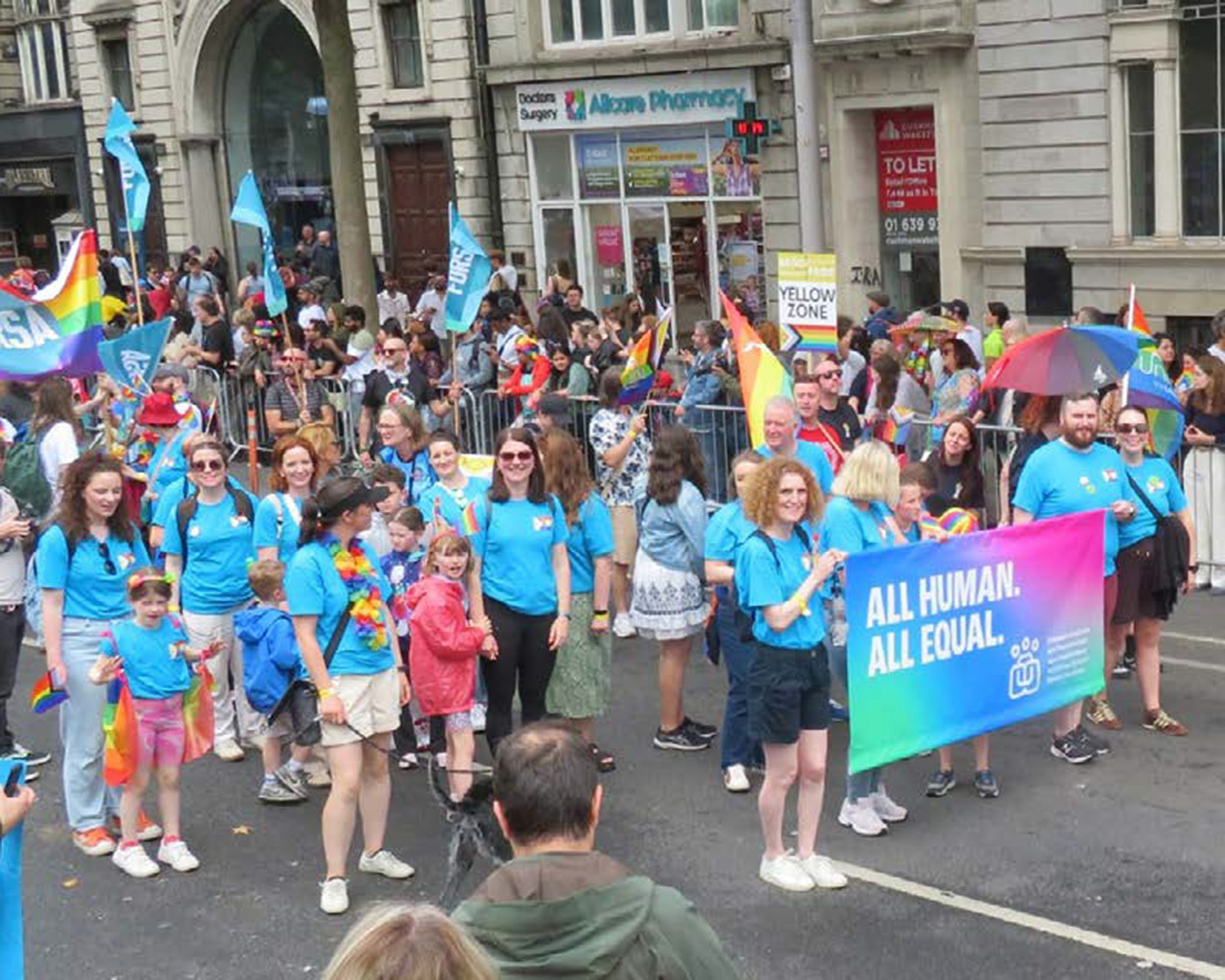
To mark 10 years since Ireland became the first country to vote for marriage equality, and 10 years since we legislated for Gender Recognition, we launched a one-day digital outdoor advertising campaign at bus stops along the Pride Parade route across Dublin City.
The bilingual campaign in Irish and English led with the message, “LGBTIA+ Rights Belong to All of Us”, also appearing on Dublin City Centre screens, and in the main LBGQT venues, including those hosting Pride events.
We know that Irish leadership on these issues is needed now more than ever.
We must all remember that hard-won rights can easily be reversed and continue to show leadership and solidarity.
Promoting sustainability: Green Team
We established a Green Team in May to promote sustainability and green practices across the organisation.
- We signed up for the Reduce Your Use Campaign, raising awareness among staff about energy conservation, recycling and waste reduction.
- We are in the process of applying for the Smarter Travel Mark and have introduced a series of initiatives to encourage staff to use sustainable modes of transport.

These initiatives have already resulted in tangible energy savings across the organisation, and we are committed to becoming more sustainable and embedding green practices.
Details can be found in the appendix.
Reporting
In this section we report on our obligations under: Section 42 of the Irish Human Rights and Equality Commission Act 2014; and The Official Languages (Amendment) Act 2021
Section 42(1) of the Irish Human Rights and Equality Act 2014 provides that:
A public body shall, in the performance of its functions have regard to the need to:
- eliminate discrimination;
- promote equality of opportunity and treatment of its staff and the persons to whom it provides services; and
- protect, promote and fulfil the human rights of its members, staff and the persons to whom it provides services.
Under this statutory Public Sector Equality and Human Rights Duty every public body is required to Assess, Address and Report on how they incorporate equality and human rights into their work.
In keeping with the principles of the Duty, the priorities outlined in our Strategy Statement have been informed based on extensive consultation across all sectors of society, from a variety of backgrounds, and across the generations.
Protection and promotion of human rights and equality, and the elimination of discrimination, are core to our functions and purpose and by working towards achieving our strategic goals we are, at all times, upholding the requirements of the Duty in our core work.
However, to meet our statutory obligations under the Duty we must also take account of human rights and equality in how we implement our functions and go about our daily work.
The following table is our report on progress in relation to meeting the commitments which derive from our Assess Address Report which can be found in our Strategic Statement 2025-2027.
Report under the Official Languages (Amendment) Act 2021
We are obliged to report on our performance of obligations under the Official Languages (Amendment) Act 2021.
In compliance with new obligations that came into force during the year, we appointed the manager responsible for corporate governance, facilities and ICT to oversee our compliance with the Acts.
Our Irish Language Officers provided practical advice and support to all teams in relation to the Irish language and our obligations as a public body. Lists of basic phrases was shared with all staff to use throughout their daily work and continuous assistance was provided to all staff to ensure their internal standard messaging is bilingual.
The Irish Language Officers presented throughout the year to all staff on our Irish Language Scheme and also presented to new staff as part of their induction process. Engagement and attendance at Irish language courses is supported and encouraged by the organisation. Irish language books were purchased for shared staff use to further encourage learning and interest in the language.
An Coiste Gaeilge, led by our Irish Language Officers, coordinated a programme of events as part of Seachtain na Gaeilge in March. This included our Lón le Gaeilge where staff gathered to share their cúpla focal, a tea break talk given to staff by representatives from the Public Sector Irish Language Network, as well as staff social and professional language resources.
Appendices
The Annual Report 2025 Appendices contain important details about our legal work, corporate governance and financial disclosures, as well as providing data about our work.

Download PDF
5.312 MB
Click the Download PDF button to download a PDF version of this Annual Report